


By Dr. Gregory C. Fors Board Certified Chiropractic Neurologist Chief Science Officer, BioSpec...
 By Dr. Gregory C. Fors
Board Certified Chiropractic Neurologist
Chief Science Officer, BioSpec Nutritionals
Pain and Brain Healing Center
In Part 1 of this Alzheimer’s Awareness Series, we discussed an important concept:
Alzheimer’s disease rarely begins as Alzheimer’s disease.
For many individuals, the process starts years or even decades before a diagnosis is ever made.
- Brain fog.
- Poor concentration.
- Mental fatigue.
- Sleep disruption.
- Insulin resistance.
- Chronic inflammation.
These seemingly unrelated symptoms may represent some of the earliest warning signs that the brain is under stress.
The good news is that many of the factors contributing to cognitive decline are modifiable. While there is no single magic bullet that prevents Alzheimer’s disease, there are many lifestyle and nutritional strategies that may help support healthy brain aging and reduce risk.
This article focuses on those strategies.
The Foundation: Control Blood Sugar and Insulin
If there is one common thread connecting many chronic diseases, it is insulin resistance. Over the years I have become increasingly convinced that glucose toxicity and insulin resistance are among the most important drivers of chronic disease, including cognitive decline.
Chronically elevated insulin and blood sugar contribute to:
- Inflammation
- Oxative stress
- Vascular damage
- Mitochondrial dysfunction
- Impaired brain energy production
- Accelerated aging
Many researchers now refer to Alzheimer’s disease as “Type 3 Diabetes” because of the strong relationship between insulin resistance and neurodegeneration. The first step toward protecting the brain is improving metabolic health.
Nutrition Matters
The brain is an energy-hungry organ. Although it represents only about 2% of body weight, it consumes approximately 20% of the body’s energy. The quality of that fuel matters.
I typically encourage patients to focus on a whole-food, lower-carbohydrate dietary pattern that helps stabilize blood sugar and reduce insulin spikes. This does not require perfection; it does require consistency.
Key principles include:
- Eliminate sugary beverages
- Minimize ultra-processed foods
- Reduce refined carbohydrates
- Increase vegetables
- Prioritize high-quality protein
- Consume healthy fats
- Avoid excessive snacking
- Maintain healthy body composition
You Cannot Outrun A Bad Diet
For more than 40 years in clinical practice, I have seen many patients try to exercise their way out of poor eating habits. Unfortunately, it rarely works.
Exercise is one of the most powerful tools available for improving health. It improves insulin sensitivity, circulation, mood, muscle mass, balance, mitochondrial function, and brain health. But exercise cannot fully compensate for a diet built around sugar, refined carbohydrates, fast food, and ultra-processed foods.
You simply cannot outrun the metabolic consequences of a poor diet. If someone walks for thirty minutes in the morning and spends the rest of the day consuming soda, pastries, chips, candy, and fast food, the exercise helps, but it does not erase the damage.
The foundation of brain health begins with what we put into our bodies every day. Exercise is essential. Nutrition is foundational.
Omega-3 Fatty Acids: Brain Nutrition That Matters
The human brain is composed largely of fat. Two of the most important fatty acids found within brain tissue are EPA and DHA.
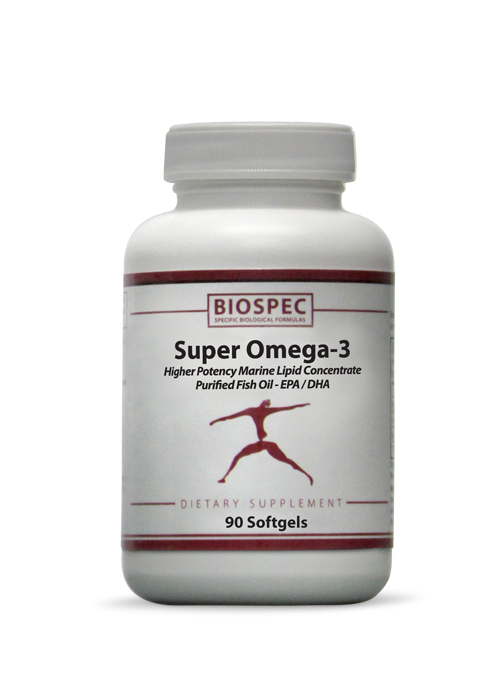
These omega-3 fats help support:
- Neuronal membrane integrity
- Healthy inflammatory balance
- Synaptic function
- Blood vessel health
- Cognitive performance
I routinely encourage patients to consume fatty fish such as salmon, sardines, herring, and mackerel while also considering Omega-3 supplementation when appropriate.
Brain Health Target: Omega-3 Index Goal: 8–10%. Many Americans fall below 5%. This is one reason I frequently recommend Omega-3 Index testing as part of a comprehensive health evaluation.
Neuroinflammation: The Hidden Fire In The Brain

Many people understand inflammation in their joints. Fewer realize that inflammation can occur inside the brain itself. The brain contains specialized immune cells called microglia.
Microglia act as the brain’s security system. When activated appropriately, they help protect brain tissue. When activated chronically, they can become destructive. Persistent microglial activation has been associated with:
- Alzheimer’s disease
- Parkinson’s disease
- Mild cognitive impairment
- Depression
- Brain fog
- Neurodegeneration
Common drivers of neuroinflammation include insulin resistance, obesity, poor sleep, chronic stress, environmental toxins, and gut dysfunction. Reducing neuroinflammation may be one of the most important goals in preserving cognitive function.
Nutritional Support For Neuroinflammation
As Chief Science Officer for BioSpec Nutritionals, I have spent years reviewing the scientific literature on inflammation, neurodegeneration, and healthy aging. One of the formulas I helped develop is Inflam-95, a targeted combination of botanical ingredients selected to support healthy inflammatory balance throughout the body and brain.*

- Curcumin Extract (Standardized to 95% curcuminoids): Supports healthy inflammatory pathways and antioxidant defenses.*
- Boswellia Extract (Standardized for AKBA): Supports healthy inflammatory balance.*
- Ginger Extract: Provides antioxidant and anti-inflammatory support.*
- Bioperine®: Patented black pepper extract to significantly enhance curcumin absorption.
One of the goals of this formula is to help support a healthier inflammatory environment that may be less likely to promote chronic activation of microglia.*
Supplements Are Not A Substitute For Healthy Living
One of the most common misconceptions I encounter is the belief that a supplement can somehow compensate for poor lifestyle choices. It cannot. As valuable as nutritional supplements may be, they are exactly what the name implies: Supplemental.
They are designed to supplement a healthy lifestyle, not replace one. No amount of fish oil can fully compensate for a diet filled with ultra-processed foods. No amount of curcumin can completely overcome the inflammatory effects of obesity and insulin resistance. The lifestyle comes first; the supplements help support and enhance the lifestyle.
Improving Insulin Sensitivity
One of the most important goals in preventing cognitive decline is improving insulin sensitivity. I helped formulate Glucose-IR after reviewing the scientific literature on insulin resistance and beta-cell stress.
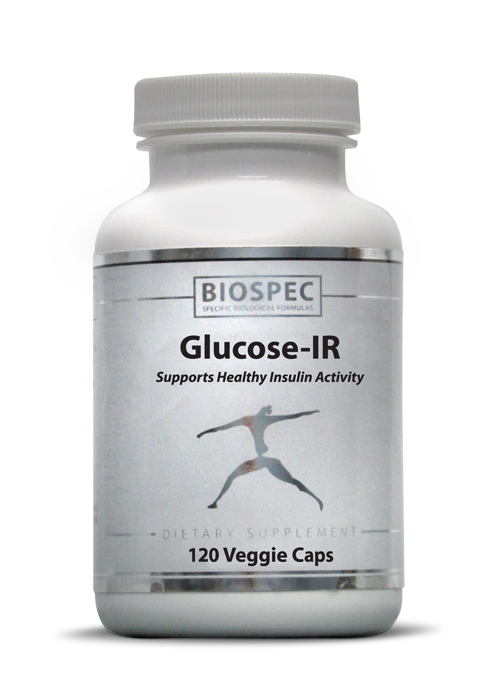
Glucose-IR key ingredients include:
- Cinnamon Extract (20:1): Supports insulin signaling and glucose transport.
- Mulberry Leaf Extract: Supports healthier glycemic control.
- Berberine HCl: Activates AMPK and supports insulin receptor expression.
- Biotin: Supports glucose utilization.
- GTF Chromium: Promotes insulin activity at the cell membrane.
Together these ingredients are intended to support one of the most important goals in brain health: Improving insulin sensitivity and reducing glucose toxicity.*
Blood Flow Matters
Healthy brain cells require healthy circulation. The brain depends on a continuous supply of oxygen and nutrients. Reduced blood flow has been associated with memory decline, slower processing speed, and increased dementia risk.
Exercise is powerful because it improves cerebral circulation, delivering oxygen, nutrients, and Brain-Derived Neurotrophic Factor (BDNF), often called “fertilizer for the brain.”
Supporting Memory and Cognitive Function
When patients tell me they are forgetting names or losing their train of thought, I start thinking about blood sugar regulation, inflammation, circulation, and nutrient status.

AD-Focus HP was designed to support several aspects of healthy cognitive function.*
-
Bacopa monnieri: Traditionally used to support memory formation and learning.*
-
Ginkgo biloba: Supports healthy cerebral circulation and antioxidant protection.*
-
Centella asiatica: Supports circulation, neuroplasticity, and healthy cognitive function.*
-
Huperzine A: Supports acetylcholine activity, an important neurotransmitter involved in memory and learning.*
Combined with healthy lifestyle practices, these ingredients can help support healthy cognitive aging.
Sleep: The Brain’s Nightly Cleaning System
Sleep may be one of the most overlooked factors in brain health. During deep sleep, the brain activates the glymphatic system, the brain’s nightly cleaning crew which removes metabolic waste products.

Poor sleep is repeatedly associated with increased inflammation and cognitive decline. Our Relax-Aid PM formula was designed to support healthy sleep quality and relaxation using ingredients like Passionflower, Ashwagandha, and Saffron.
Alzheimer’s Prevention Checklist
- ✓ Maintain healthy insulin levels
- ✓ Follow a whole-food, lower-carbohydrate diet
- ✓ Walk daily and perform resistance exercise
- ✓ Prioritize sleep
- ✓ Manage chronic inflammation
- ✓ Stay socially connected
- ✓ Continue learning throughout life
Final Thoughts
The greatest opportunity we have to reduce the burden of Alzheimer’s disease is not found in a future drug. It is found in identifying and correcting the metabolic, inflammatory, and lifestyle factors that slowly damage the brain over time.
Lifestyle comes first. Nutrition comes second. Supplements come third. When all three work together, this is when I see the best outcomes in clinical practice.
Take Control of Your Health. There Is Hope.
Coming Next: In Part 3, we will explore the exciting advances in laboratory testing and early detection. Early detection creates opportunity, and opportunity creates hope.
Biospec Nutritionals — Medical & Educational Disclaimer
This content is provided for educational and informational purposes only and is not intended to provide medical advice, diagnosis, or treatment. It is not a substitute for individualized guidance from a qualified healthcare professional. Always consult your physician or other qualified healthcare provider before starting, stopping, or changing any supplement, medication, diet, or exercise program.
† FDA Disclaimer: These statements have not been evaluated by the Food and Drug Administration. This product is not intended to diagnose, treat, cure, or prevent any disease.