


By Dr. Greg Fors Chief Science Officer, BioSpec Nutritionals
By Dr. Greg Fors, Chief Science Officer, BioSpec Nutritionals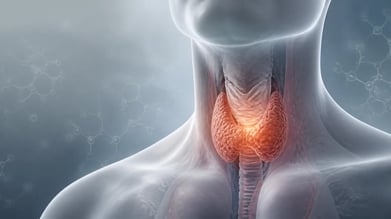
- Hashimoto’s is an autoimmune condition, but its development may involve more than one trigger.
- The thyroid performs a demanding job that naturally involves controlled oxidative chemistry.
- Diet, nutrient status, gut health, sleep, metabolism, genetics, and environmental exposures may all influence the body’s biological burden.
- A thorough clinical evaluation looks beyond TSH alone and considers thyroid antibodies, nutrients, metabolic health, inflammation, and gastrointestinal function.
- The goal is not to find one miracle supplement, but to identify and address the factors that may be adding stress to the system.
HASHIMOTO'S: IS THE THYROID THE CANARY IN THE COAL MINE OF MODERN LIFE?
Hashimoto's May Help Explain the Interplay Among Genetics, Diet, the Gut, Environmental Exposures and Chronic Disease
Hashimoto's thyroiditis is the most common cause of hypothyroidism in iodine-sufficient regions, including the United States. We know it is an autoimmune disease. We know many patients develop antibodies against thyroid peroxidase and thyroglobulin. We know immune-cell infiltration and progressive thyroid injury can impair hormone production over time. [1]
But an important question remains:
Why does the thyroid become a target in the first place?
For decades, conventional medicine has been extraordinarily successful when disease follows a relatively simple model:
One pathogen → one disease → one drug. Find the bacterium. Give the antibiotic. That model changed medicine. The challenge arises when we apply the same framework to chronic, multifactorial disease.
Hashimoto’s is not tuberculosis. It is not one pathogen, one cause and one cure. It is a complex disorder involving genetic susceptibility, immune regulation, thyroid physiology, nutrition, metabolism, gastrointestinal health and environmental exposures.
Instead of searching for the one thing that caused Hashimoto’s, we should ask a broader question:
What happens when multiple physiological stresses accumulate in a person whose capacity to compensate is limited?
Each factor adds another log to the fire.
A genetically susceptible patient may tolerate one or two stressors without obvious consequences. Add a poor diet, micronutrient insufficiency, insulin resistance, dysbiosis, intestinal permeability, chronic inflammation, environmental chemicals and inadequate sleep, and the biological environment changes.
The thyroid is already operating beside an oxidative furnace. Every additional source of oxidative stress, inflammation, or nutrient depletion increases the burden placed on the gland and the immune system.
Eventually, the fire-control system may no longer keep up.

INSIDE THE THYROID LIVES AN OXIDATIVE FURNACE
There is something remarkable about the thyroid that we rarely explain to patients.
The thyroid deliberately generates hydrogen peroxide as part of thyroid-hormone synthesis.
Thyroid follicular cells use the DUOX enzyme system to generate hydrogen peroxide H₂O₂. Thyroid peroxidase then uses H₂O₂ to oxidize iodide and iodinate thyroglobulin, essential steps in the production of T4 and T3.
The thyroid cannot manufacture thyroid hormone without this controlled oxidative chemistry. Most cells work to minimize reactive oxygen species. The thyroid deliberately generates them as part of its normal function. That means the thyroid operates beside an oxidative furnace every day of a person's life.
Fortunately, the gland contains an extensive antioxidant defense system involving glutathione, selenium-dependent glutathione peroxidases, thioredoxin reductases, peroxiredoxins, catalase and other protective enzymes.
The thyroid also contains a high concentration of selenium relative to many other tissues. That is not an accident. Selenium-dependent enzymes help control the hydrogen peroxide generated during thyroid-hormone synthesis and help protect the gland from oxidative injury. [2][3]
Think of thyroid physiology as an engineered furnace.
DUOX generates the oxidant.
Hydrogen peroxide supplies the oxidizing power.
Thyroid peroxidase uses that chemistry to help manufacture thyroid hormone.
The antioxidant system keeps the fire contained. But the thyroid does not operate in isolation.
If the patient is consuming a diet that drives glucose and insulin higher, the mitochondria generate more oxidative stress. If the gut is inflamed, immune signaling increases. If the patient is exposed to pesticides, plastics, air pollution or other chemicals, those compounds can generate free radicals and activate inflammatory pathways. If selenium, zinc, iron, magnesium or other nutrients are insufficient, the protective system becomes less effective.
The furnace remains active.
The fire-control system becomes weaker.
That is the problem.
WE DO NOT ALL COME WITH THE SAME FIRE EXTINGUISHER!
Human beings are not metabolically identical.
Our antioxidant capacity varies.
Our inflammatory responses vary.
Our immune regulation varies.
Our mitochondrial function varies.
Our ability to process and eliminate environmental compounds varies.
Some of that variability is genetic.
Genomic testing can identify variants affecting antioxidant, methylation, detoxification and inflammatory pathways. Some individuals carry null variants of genes such as GSTM1 or GSTT1, resulting in the absence of that particular glutathione-S-transferase enzyme activity.
GST enzymes participate in the handling of reactive compounds. They are only one part of a much larger network, but they illustrate an important point:
Two people can live in the same environment and have very different biological responses to it.
One patient may have strong nutritional status, healthy mitochondria, good insulin sensitivity and effective antioxidant defenses.
Another may have less reserve because of genetic variants, nutrient insufficiency, chronic inflammation, metabolic dysfunction or environmental exposure. The same meal, chemical exposure, infection or period of sleep deprivation may not produce the same biological response in both people.
Now place that second patient's thyroid beside an H₂O₂ furnace.
Then start adding logs.
LOG #1: THE STANDARD AMERICAN DIET
The Standard American Diet deserves its acronym: SAD.
It is dominated by sugar, refined carbohydrates, bread, pasta, crackers, pastries, breakfast cereals, sweetened beverages, industrial seed-oil-heavy processed foods and other products that bear little resemblance to the foods human beings evolved to eat.
At the same time, many people consume too few vegetables, quality proteins, nuts, seeds and other nutrient-dense whole foods.
This creates a double burden:
We increase metabolic and oxidative stress while reducing the nutrients required to defend against it.
Excess sugar and refined carbohydrate drive repeated glucose and insulin surges. Over time, this can promote insulin resistance, mitochondrial dysfunction, visceral adiposity and chronic inflammatory signaling.
A diet built around processed foods also displaces the vitamins, minerals, amino acids, polyphenols and phytochemicals required for healthy thyroid and antioxidant physiology.
This is not a minor dietary issue. It is another log on the fire.
The functional-medicine approach is not to “reduce” sugar and processed foods.
We remove them.
We remove added sugar.
We remove sweetened beverages.
We remove refined flour products.
We remove bread, pasta, crackers, pastries, cookies and breakfast cereals.
We remove ultra-processed foods.
We eat whole foods.
That means quality protein, eggs, fish, meat, poultry, vegetables, low-sugar fruits as appropriate, nuts, seeds, legumes when tolerated and healthy fats from real foods.
The goal is not starvation, fear or unnecessary restriction. The goal is to stop feeding the metabolic fire. [4][5]
LOG #2: MICRONUTRIENT INSUFFICIENCY
The thyroid requires raw materials and cofactors.
Selenium.
Iodine.
Iron.
Zinc.
Magnesium.
Protein.
Amino acids.
B vitamins.
Vitamin A.
Vitamin D.
These nutrients support thyroid-hormone synthesis, antioxidant defense, immune regulation and mitochondrial function.
Selenium is incorporated into glutathione peroxidases, thioredoxin reductases and deiodinases. Iron is required for thyroid peroxidase activity. Zinc participates in thyroid-hormone metabolism, immune function and antioxidant defense. Magnesium supports energy metabolism and hundreds of enzymatic reactions.
Protein supplies the amino acids required to build thyroid-related proteins and antioxidant molecules such as glutathione.
A patient does not need to develop a severe textbook deficiency before physiology begins to suffer. A diet built around sugar and processed foods can provide abundant calories while providing inadequate nutritional support. Macronutrient excessive micronutrient deficient!
That is how a person becomes overfed and undernourished at the same time. The practical principle is straightforward:
Identify and correct nutritional insufficiency.
Use the patient's diet, symptoms, history and laboratory findings to determine what is needed. Do not assume that every patient needs every nutrient. Do not assume that more is always better.
Iodine deficiency and iodine excess can both impair thyroid physiology. Selenium is essential, but excessive selenium is toxic. Iron is valuable when iron deficiency exists, but unnecessary iron supplementation can be harmful. The answer is not indiscriminate supplementation. The answer is targeted nutritional support. [2][3]
LOG #3: THE GUT-THYROID AXIS
The intestine is not simply a tube through which food passes. It is one of the largest immune organs in the body.
The gut microbiome participates in digestion, metabolism, barrier function and immune regulation. When the microbial ecosystem becomes disrupted, the consequences extend beyond gastrointestinal symptoms.
Dysbiosis can upregulate immunological responses. Dysbiosis can increase systemic inflammatory signaling. Dysbiosis can impair intestinal barrier function.
This subsequent increased intestinal permeability allows greater exposure to microbial products and dietary antigens. That exposure activates immune pathways and contributes to systemic inflammation.
The sequence is clear:
Dysbiosis
↓
Upregulated immune response
↓
Increased intestinal permeability
↓
Greater exposure to microbial products and antigens
↓
Systemic inflammation
↓
Increased oxidative stress
Inflammation generates reactive oxygen species. Reactive oxygen species activate additional inflammatory pathways. Inflammation further damages the intestinal barrier.
The cycle reinforces itself. The gut therefore adds another log to the fire.
This is why functional medicine does not dismiss chronic constipation, diarrhea, reflux, bloating, food reactions or other gastrointestinal symptoms as unrelated complaints.
We evaluate the gut. We look for celiac disease when appropriate. We address infections, inflammatory bowel disease, constipation, diarrhea and malabsorption. We remove foods that are clearly provoking symptoms. We restore whole-food nutrition. We use probiotics, prebiotics, digestive support or other interventions when clinically appropriate.
The gut is not a side issue. It is a major immune interface. [6]

LOG #4: THE CHEMICAL SOUP OF MODERN LIFE
Our patients live in a chemical soup.
They encounter pesticides and herbicides.
Plastic-associated chemicals.
PFAS.
Phthalates.
Bisphenols.
Combustion products.
Air pollution.
Microplastics.
Nanoplastics.
Endocrine-disrupting compounds.
These chemicals enter the body through food, water, air, skin contact and consumer products.
If chemicals are present in human tissues, they can generate free radicals. Free radicals damage proteins, lipids, membranes, mitochondria and DNA. They activate inflammatory pathways. They disrupt cellular signaling. They place additional demands on glutathione and other detoxification systems.
That is not speculation. It is basic redox biology. The question is not whether every chemical exposure single-handedly causes Hashimoto's.
The question is whether repeated exposure adds to the total biological burden in a patient whose thyroid is already operating under unusual oxidative demands.
Pesticides and herbicides can generate oxidative stress and alter immune and endocrine signaling.
Air pollution generates free radicals and activates inflammatory pathways.
Plastic-associated chemicals can interfere with endocrine signaling and mitochondrial function.
Micro- and nanoplastics can generate oxidative stress, disrupt membranes and activate inflammatory responses.
The body does not care whether a free radical came from a glucose surge, mitochondrial dysfunction, air pollution, a pesticide, a plastic-associated chemical or normal thyroid physiology. The antioxidant system has to neutralize it. The immune system has to respond to it.
The thyroid has to continue manufacturing hormone beside it.
Another log goes on the fire.
Then another.
Then another. [7][8]
AT SOME POINT THE EQUATION CHANGES
A patient may have:
Genetic susceptibility
- the normal oxidative demands of thyroid-hormone production
- a diet built around sugar and processed foods
- micronutrient insufficiency
- insulin resistance
- mitochondrial dysfunction
- dysbiosis
- increased intestinal permeability
- systemic inflammation
- environmental chemical exposure
- inadequate sleep
- other individual stressors
= CUMULATIVE BIOLOGICAL BURDEN
At some point:
OXIDATIVE LOAD > ANTIOXIDANT CAPACITY
The furnace is still burning. But the fire-control system is losing ground. This is where the patient may move from compensation to dysfunction. The thyroid becomes more vulnerable to injury.
The immune system becomes more reactive.
The inflammatory environment becomes self-reinforcing.
The logs have become a fire.

WHEN "SELF" BEGINS TO LOOK DIFFERENT
Oxidative stress damages proteins, lipids, membranes and mitochondria.
It can alter protein structure.
It can expose molecular regions that were previously hidden from immune surveillance.
It can change the way antigens are processed and presented.
In the thyroid, two major targets are thyroglobulin and thyroid peroxidase.
When thyroid cells are injured, cellular material is released into an inflammatory environment. Antigen-presenting cells encounter thyroid proteins while inflammatory signals are active. The immune system begins to recognize altered or exposed thyroid material as a threat.
A plausible sequence is:
OXIDATIVE STRESS
↓
THYROID CELLULAR INJURY
↓
ALTERED OR EXPOSED THYROID ANTIGENS
↓
IMMUNE RECOGNITION
↓
T-CELL ACTIVATION
↓
TPO AND THYROGLOBULIN ANTIBODIES
This is how oxidative stress may help connect the thyroid furnace to autoimmune activation. The immune system does not need a single foreign pathogen to become involved. It can be activated by tissue injury, altered self-proteins, inflammatory cytokines and loss of immune tolerance.
Genetic susceptibility determines who is more vulnerable. The biological environment determines how much pressure is placed on that vulnerability.
THE FIRE BEGINS FEEDING ITSELF
Once immune cells infiltrate the thyroid, they generate inflammatory cytokines and additional reactive oxygen and nitrogen species.
Now inflammation creates more oxidative stress. More oxidative stress creates more tissue injury. More tissue injury exposes more thyroid antigen. More antigen drives more immune activation.
The loop becomes:
Oxidative stress
↓
Thyroid injury
↓
Antigen exposure
↓
Autoimmune activation
↓
Inflammatory cytokines
↓
More reactive oxygen species
↓
More thyroid injury
The original logs have now ignited a self-feeding fire. This is why Hashimoto's cannot be reduced to a TSH value.
It is also why replacing thyroid hormone, while often essential, does not explain why the gland came under attack. Thyroid hormone replacement supplies what the damaged gland can no longer produce.
It does not remove the logs.
It does not repair the gut.
It does not correct insulin resistance.
It does not restore selenium or iron status.
It does not eliminate environmental exposures.
It does not automatically quiet systemic inflammation.
Those problems require their own interventions.
PERHAPS HASHIMOTO'S IS A CANARY IN THE COAL MINE
Coal miners of old carried canaries underground because the birds would show signs of danger before the miners recognized it.
The thyroid may serve as a biological canary because it performs one of the most oxidatively demanding jobs in human physiology. It deliberately generates hydrogen peroxide every day. It requires a sophisticated antioxidant defense system to keep that chemistry under control.
When the patient's total biological burden rises, the thyroid may be one of the first organs to show the consequences!
Two patients may encounter the same environment and develop different outcomes.
One may have strong antioxidant defenses, excellent nutrition, healthy mitochondria and good metabolic health.
The other may have genetic susceptibility, a diet built around sugar and processed foods, dysbiosis, micronutrient insufficiency, insulin resistance and repeated chemical exposure.
The second patient has less room for error.
The canary sings until the environment becomes too toxic for it to tolerate. The thyroid compensates until it cannot.
Hashimoto's may therefore be a warning that the patient's biological environment has become hostile to not only thyroid health, but health in general.
Not every exposure is the cause. Not every log is equally important. But the pile matters.
SELENIUM GIVES US AN IMPORTANT CLUE
Why is the thyroid one of the most selenium-rich organs in the body?
Because selenium is incorporated into enzymes essential to thyroid and antioxidant physiology. Glutathione peroxidases help neutralize hydrogen peroxide and lipid hydroperoxides. Thioredoxin reductases help maintain cellular redox balance. Deiodinases regulate thyroid-hormone activation and inactivation.
Selenium therefore sits directly at the intersection of:
thyroid-hormone metabolism + antioxidant defense.
Clinical trials and meta-analyses have reported reductions in thyroid peroxidase antibodies and selected oxidative-stress markers in some patients receiving selenium. That matters.
It tells us that redox nutrition is not a theoretical side issue. It is part of thyroid physiology.
These studies describe nutrient research; they do not establish that any BioSpec product has been shown to affect thyroid antibodies.
The larger lesson is not:
"Give everybody selenium."
It is:
The thyroid requires the nutritional tools necessary to control its own oxidative chemistry.
Selenium should be individualized according to diet, geography, laboratory findings, total intake and clinical context.
But the existence of toxicity does not erase the importance of sufficiency. A fire extinguisher can be dangerous when misused. That does not mean we remove it from the building. [2][3]
DO NOT TREAT A SYSTEMS-BIOLOGY DISEASE WITH A SINGLE-VECTOR MINDSET
Conventional medicine often focuses on diagnosis, thyroid hormone levels and medication dosing. Those are important. They are not the entire patient.
If a patient with Hashimoto's cannot produce adequate thyroid hormone, thyroid hormone replacement may be essential.
But replacing thyroid hormone does not remove the biological conditions that have contributed to thyroid injury.
A normal TSH on medication does not mean the patient's diet is healthy.
It does not mean the gut is healthy.
It does not mean insulin resistance has been corrected.
It does not mean the patient is nutritionally replete.
It does not mean environmental exposures are irrelevant.
It does not mean inflammation and oxidative stress have disappeared.
Functional medicine asks a broader question:
What are all the small interventions we can use to move this patient back toward physiological balance?
Not one sledgehammer.
Multiple tuning hammers.
Remove sugar.
Remove processed foods.
Eat whole foods.
Correct nutrient insufficiency.
Improve insulin sensitivity.
Support mitochondrial function.
Repair the gut.
Treat dysbiosis.
Improve sleep.
Exercise.
Reduce chemical exposure.
Support antioxidant defenses.
Support balanced immune signaling.
Use thyroid hormone when indicated.
Each intervention addresses a different log.
Together, they can change the fire.
FIRST: FIND OUT WHAT YOU ARE DEALING WITH
A TSH is important, but it is not the entire clinical picture. For patients with suspected or established Hashimoto's, evaluation may include:
Thyroid physiology and autoimmunity
- TSH
- Free T4
- Free T3
- Thyroid peroxidase antibodies TPOAb
- Thyroglobulin antibodies TgAb
- Thyroid ultrasound when there is a goiter, nodule, palpable abnormality or other clinical indication
Antibody testing can support the diagnosis. Antibody levels do not always correlate with symptoms.
Nutritional and hematologic evaluation
- Complete blood count
- Ferritin
- Iron
- TIBC
- Transferrin saturation
- Vitamin B12 when indicated
- Folate when indicated
- Homocysteine
- Plasma Zinc
- Serum Selenium
- Vitamin D3
Metabolic evaluation
- Fasting glucose
- Fasting insulin
- Hemoglobin A1c
- Lipid profile
- CMP with Liver enzymes
- Waist circumference and body-composition assessment when appropriate
Inflammatory evaluation
- hs-CRP
- SED Rate
- CBC
- Additional testing guided by symptoms and examination
Gastrointestinal evaluation
- Celiac testing when indicated
- Evaluation for malabsorption
- Assessment of constipation, diarrhea, reflux, bloating and food reactions
- Functional Comprehensive Stool Analysis
- Additional testing based on clinical findings
The goal is not simply to ask:
"Is this patient hypothyroid?"
The goal is to ask:
"What is adding logs to this patient's fire?"
Then identify the logs. Remove what can be removed. Correct what can be corrected. Support what is struggling.
THEN START REMOVING THE LOGS
We do not reduce sugar. We remove it.
We do not merely reduce processed foods. We remove them.
We do not build the diet around "minimally processed" substitutes that keep the patient dependent on packaged products. We eat whole foods.
That means quality protein, eggs, fish, meat, poultry, vegetables, nuts, seeds, legumes when tolerated, low-sugar fruits as appropriate and healthy fats from real foods.
We remove:
- Added sugar
- Sweetened beverages
- Bread
- Pasta
- Crackers
- Pastries
- Cookies
- Breakfast cereals
- Ultra-processed snack foods
- Refined flour products
- Industrial food products that drive overeating and metabolic dysfunction
We correct insulin resistance.
We improve body composition.
We exercise.
We improve sleep.
We evaluate sleep apnea.
We address dysbiosis and intestinal permeability.
We treat diagnosed gastrointestinal disease.
We stop smoking.
We reduce unnecessary exposure to pesticides, plastics, solvents, combustion products and other chemicals where practical.
We restore nutrient sufficiency.
We support mitochondrial function.
We support endogenous antioxidant defenses.
These are not cosmetic lifestyle suggestions. They are ways of removing logs from the fire.
BIOSPEC NUTRITIONAL STRATEGY: SUPPORT THE TERRAIN WHILE YOU CHANGE IT
Educational boundary note: The discussion of Hashimoto's and autoimmune thyroid disease above is educational. Dietary supplements do not diagnose, treat, cure, or prevent any disease. The following product discussion is separate from the science and is intended only to describe general nutritional-support products. Product selection and use should be guided by a qualified healthcare professional.
The objective is not to find one magical "Hashimoto's supplement."
That would recreate the same single-vector thinking we are trying to avoid. The objective is to use multiple nutritional tools that support the systems under pressure while the larger causes of biological burden are addressed.

Mito-Detox III
2 capsules twice daily, according to the current product label and clinical judgment
The thyroid generates hydrogen peroxide as part of normal hormone synthesis. The patient therefore needs a strong antioxidant and mitochondrial defense system.
Mito-Detox III provides nutritional support for mitochondrial function, glutathione-related pathways and endogenous antioxidant defenses, including selenium when present in the current formulation.
This is not about flooding the body with random antioxidants. It is about supporting the systems that build, recycle and maintain antioxidant protection.
Think of Mito-Detox III as strengthening the fire-control system while we remove the logs. Review total selenium intake from food, supplements and fortified products.

Inflam-95
2–3 capsules twice daily, according to the current product label and clinical judgment
Inflammation and oxidative stress reinforce each other. Inflammatory cytokines generate reactive oxygen species. Reactive oxygen species activate inflammatory pathways.
Inflam-95 provides nutritional support for healthy inflammatory signaling as part of a broader wellness plan.
The goal is not to suppress the immune system indiscriminately. The goal is to help reduce excessive inflammatory signaling while the underlying dietary, metabolic, gastrointestinal and environmental burdens are addressed.
Review potential medication interactions, particularly with anticoagulants, antiplatelet agents and immunomodulatory medications.
Buffered C 1000
1 serving twice daily, according to the current product label and clinical judgment
Vitamin C is part of the body's antioxidant network. It supports redox balance and helps regenerate other antioxidant systems.
In a patient facing substantial oxidative demand, vitamin C provides another layer of antioxidant support. It is a source of antioxidant support. It is another tuning hammer.
Use caution in patients with kidney disease, a history of calcium oxalate kidney stones or iron-overload disorders.
Fibro-Ease Multi
3 tablets twice daily when appropriate and according to the current product label
Fibro-Ease Multi provides targeted nutritional support according to its current formulation and the patient's nutritional requirements.
Its use should be guided by the patient's diet, symptoms, laboratory findings, medications and clinical presentation.
It is not intended to replace any medication prescribed by a healthcare provider.
Notice what we are doing. We are not looking for one miracle ingredient. We are using multiple small tuning hammers:
Remove sugar.
Remove processed foods.
Eat whole foods.
Correct nutrient insufficiency.
Improve metabolic health.
Repair the gut.
Reduce chemical exposure.
Support mitochondria.
Strengthen antioxidant defenses.
Modulate excessive inflammation.
Use thyroid hormone when indicated.
The patient's history, examination, laboratory findings and response to intervention determine which hammers are needed.
THE QUESTION WE SHOULD BE ASKING
Hashimoto's is an autoimmune thyroid disease. That is established.
But the immune system does not operate independently from metabolism.
Metabolism does not operate independently from mitochondria.
Mitochondria do not operate independently from oxidative stress.
Oxidative stress does not operate independently from nutrition.
Nutrition does not operate independently from the gut.
And none of these systems operates independently from the environment in which the patient lives.
It is all an interconnected web.
The thyroid sits in the middle of this biological web while deliberately generating hydrogen peroxide every day.
That makes it an extraordinary organ. It may also make it vulnerable.
If the patient has chemicals in the body that generate free radicals, those free radicals activate inflammatory pathways.
If the patient has dysbiosis, immune responses and systemic inflammation increase.
If the patient eats sugar and processed foods, metabolic and oxidative stress increase.
If the patient is deficient in selenium, iron, zinc, magnesium or other nutrients, the systems required to control that stress become weaker.
If the patient is genetically susceptible, the threshold for immune activation may be lower.
The logs accumulate. The fire grows.
Eventually, the thyroid can become the organ that reveals the problem.
So perhaps Hashimoto's really is a canary in the coal mine.
Not because one food, one chemical or one microorganism explains every case. But because the thyroid is forced to perform an oxidatively demanding job in an increasingly inflammatory environment.
Another glucose surge.
Another night without sleep.
Another nutrient-poor meal.
Another inflammatory signal from the gut.
Another chemical exposure.
Another burst of mitochondrial free radicals.
Another log.
Another log.
Another log.
Eventually, the combined burden may exceed the patient's ability to compensate.
That may be where disease begins.
For clinicians, this changes the question.
Do not ask only:
"What is the TSH?"
Ask:
"What is adding logs to this patient's fire?"
Then:
- Confirm the diagnosis.
- Treat hypothyroidism when indicated.
- Remove sugar and processed foods.
- Build the diet around whole foods.
- Identify and correct nutrient insufficiency.
- Address insulin resistance and metabolic dysfunction.
- Evaluate and treat gastrointestinal disease and dysbiosis.
- Improve sleep and physical activity.
- Reduce avoidable chemical exposures.
- Support mitochondrial and antioxidant defenses.
- Support balanced immune signaling.
- Monitor thyroid function, symptoms and clinically meaningful outcomes.
Chronic disease rarely arrives carrying a single smoking gun.
It arrives carrying a pile of logs.
And the functional-medicine physician's job is NOT to stand beside the fire and debate which log started it.
The job is to remove the logs, strengthen the fire-control system and give the patient the tools required to restore physiological balance.
Connect with BioSpec Nutritionals
For product updates, nutritional science insights, and practitioner resources, connect with BioSpec Nutritionals on Facebook, LinkedIn, Instagram, YouTube, and Pinterest. Healthcare professionals can request a wholesale account.
Selected Scientific References
- Ruggeri RM, et al. Oxidative stress as a key feature of autoimmune thyroiditis: an update. Minerva Endocrinol. 2020. Related PubMed search
- da Silva GB, et al. Oxidative stress in Hashimoto's thyroiditis: possible adjuvant therapies to attenuate deleterious effects. Mol Cell Biochem. 2023;478:949–966. Related PubMed search
- Huwiler VV, et al. Selenium Supplementation in Patients with Hashimoto Thyroiditis: A Systematic Review and Meta-Analysis of Randomized Clinical Trials. Thyroid. 2024;34:295–313. Full article
- Influence of the increase in intestinal permeability and microbiota change in the development of Hashimoto's thyroiditis: A systematic review. Endocr Metab Sci. 2024;16:100195. Related PubMed search
- Anilkumar AS, et al. Genetic Risk Factors in Autoimmune Thyroid Diseases: An Umbrella Review of Meta-Analyses and Evidence Credibility. Immunol Invest. 2026. Related PubMed search
- Kovacs K, et al. Microplastics, Endocrine Disruptors, and Oxidative Stress: Mechanisms and Health Implications. Int J Mol Sci. 2026. Related PubMed search
- Tyc HJ, et al. Micro- and Nanoplastics as Disruptors of the Endocrine System: A Review of the Threats and Consequences Associated with Plastic Exposure. Int J Mol Sci. 2025;26:6156. Related PubMed search
- What Is the Impact of Glyphosate on the Thyroid? An Updated Review. Biomedicines. 2025;13:2402. Related PubMed search
- Kubiak K, et al. Do Dietary Supplements Affect Inflammation, Oxidative Stress, and Antioxidant Status in Adults with Hypothyroidism or Hashimoto's Disease? A Systematic Review of Controlled Trials.Antioxidants. 2023;12(10):1798. Full article
Comprehensive Medical Disclaimer
This article is for educational and informational purposes only and is not medical advice, diagnosis, or treatment. Hashimoto's thyroiditis, hypothyroidism, autoimmune disease, nutritional deficiencies, gastrointestinal disorders, and related symptoms require evaluation and management by a qualified healthcare professional. Do not start, stop, or change thyroid medication, supplements, diet, or other treatment based solely on this article. Dietary supplements are not intended to diagnose, treat, cure, or prevent any disease. Nutrients such as selenium, iodine, iron, zinc, vitamin D, and vitamin A may be harmful in excessive amounts or may interact with medications and medical conditions. Laboratory testing, supplement selection, and dosing should be individualized. Seek prompt medical attention for severe, sudden, or worsening symptoms.